Chemical soil treatment (termite barrier)
A chemical soil treatment, often called a termite barrier, is a treated zone of soil around and under a building that stops or kills termites trying to reach the timber. CSIRO says it's a common chemical barrier against termites, and that most insecticides used will provide at least three to five years of protection.
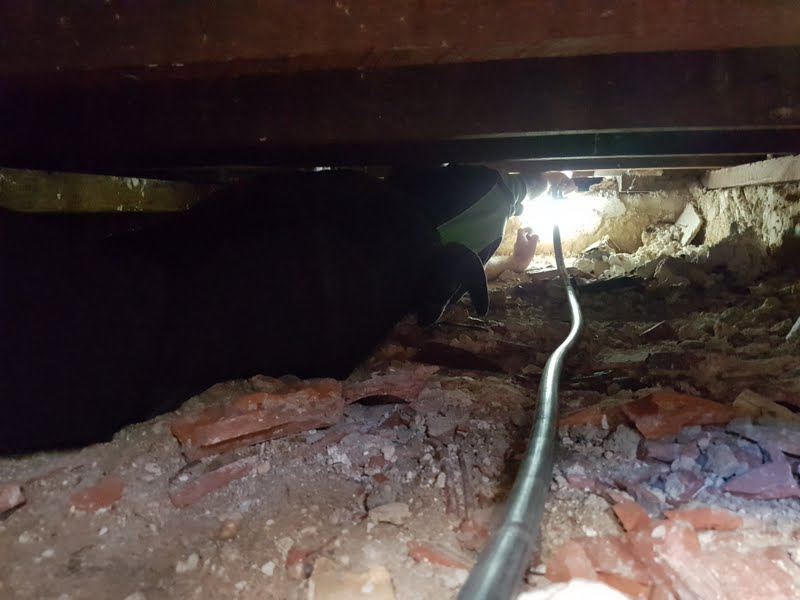
This page explains how a chemical soil treatment is applied, what affects how long it lasts and what to ask before you go ahead. To find out whether it suits your home, book a free assessment.
How a termite barrier works
Termites reach most buildings through the soil. A chemical barrier treats the soil so termites that try to cross it are affected. CSIRO notes that termites usually travel from the nest through the soil and shelter tubes, and that most attacks start from the soil.
The WA Government says many new buildings use a termicide-treated layer of soil around and under the building, which forms an integrated barrier with physical methods. For existing homes, treatment can be applied after construction.
How a chemical soil treatment is applied
CSIRO describes the main approaches for existing buildings:
Trenching
a trench is dug around the slab or the supporting structure and backfilled with treated soil. This applies to the perimeter of concrete slabs, stumps and footings.
Reticulation
where a system of perforated pipes sits under the slab or paving, insecticide can be pumped through it to replenish the soil treatment.
Rodding
where there's no reticulation, problem areas are drilled so insecticide can be injected into the soil underneath.
Sealing the gaps
CSIRO says that for perimeter treatment to work, service holes and joins in the slab must also be protected, for example with physical barriers and collars.
The WA Government adds that adding barriers to existing buildings may involve strategic drilling through slabs, porches, floors and wall footings, as well as underfloor treatment.
How long does a chemical barrier last?
CSIRO says most insecticides will provide at least three to five years of protection. The actual life depends on the product, the soil and how the site is disturbed. Your installer should tell you the expected life of the system you have.
CSIRO says barriers can be affected by renovations, garden changes, slab movement and insecticide depletion, which is why regular inspections are needed. The WA Government says alterations and extensions must not remove existing barriers or access for inspection.
Reticulation systems
A reticulation system is a network of pipes under a slab that allows the barrier to be topped up without digging. The WA Government says it lets chemical barriers be applied and re-applied when necessary. A Perth price guide dated November 2026 lists a reticulation top-up at about $315 to $1,250, with a typical price of about $580. That's a third-party guide, not our quote.
If you can't find your system's notice or don't know when it was last topped up, we can check. See termite prevention.
When a soil barrier suits your home
A chemical barrier often suits homes where:
- You want to protect the whole perimeter of the building
- The perimeter can be trenched or drilled
- There's a slab, stumps or footings to treat
- A reticulation system is already installed
It may not suit every site. Read termite barrier or baiting: which is better?.
What does a chemical barrier cost?
It depends on the size of the house, the amount of concrete to drill and the type of floor. A Perth price guide dated November 2026 shows a typical range of $2,100 to $5,800 for a whole-house chemical barrier. That's a third-party guide, not our quote. We quote after an inspection and put the price in writing. See termite treatment cost.
What to ask before you go ahead
- What product is used, and how is it applied?
- Which areas will be drilled, and how will they be repaired?
- How long is the system expected to last?
- What warranty or follow-up inspections are included?
- Is there a reticulation system, and how is it topped up?
Chemical soil treatment in Perth
We service 24 council areas across Perth and surrounding WA. See termite treatment in Perth or find your area.
Get a chemical soil treatment quote
Book a free assessment or call (08) 6103 5084. We'll inspect, explain whether a soil treatment suits your home and give you a quote before any work starts.
Questions about chemical soil treatment
Is a chemical barrier the same as a termite barrier?
Yes, in everyday use. "Termite barrier" can also mean a physical barrier, such as mesh or granite chips. See termite prevention.
Will a barrier get rid of the termites in my house?
The barrier protects the soil zone. The WA Government says treating an existing building is an integrated approach, which includes killing termites in the timber and destroying the nest.
Does it need drilling?
Often it does where there's concrete, though a reticulation system can avoid it.
Is it safe for my family and pets?
Ask your pest manager about the product, how it's applied and any precautions, and ask to see the label and safety information.
Sources
- CSIRO, Managing Termites: Understanding termites and reducing their risk to buildings (2021).
- Government of Western Australia, Termites and your home (fact sheet).
- What's The Damage?, Pest control prices Perth 2026 (pricing verified 1 November 2026).
Think you have termites?
Book a free assessment, or call (08) 6103 5084 and tell us what you have seen.
Book a free assessment Call now