Termite prevention
Termite prevention reduces the chance of termites establishing in your home. It combines protection built into or around the building, such as barriers and reticulation systems, with good habits and regular inspections. The WA Government says the National Construction Code requires termite prevention to be incorporated when building new and existing buildings in Australia.
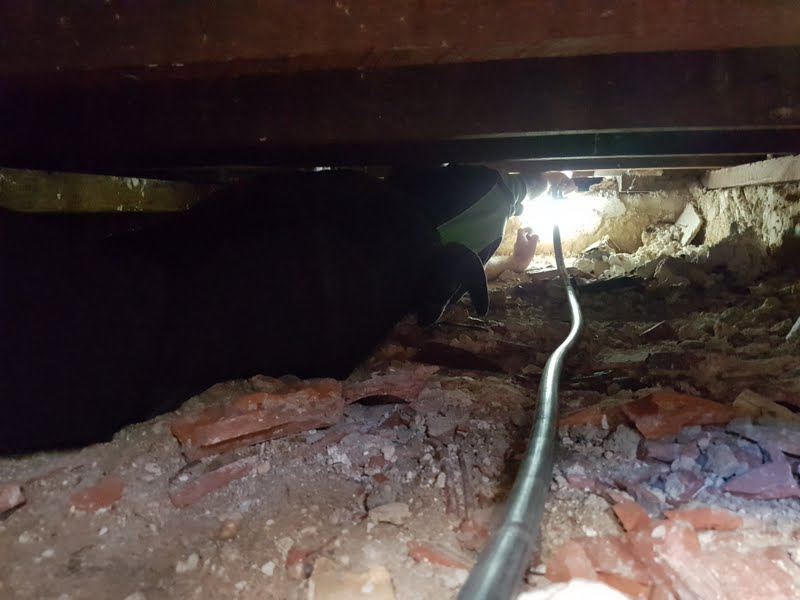
No system is termite-proof, but prevention makes termites harder to get in and easier to spot. This page covers professional protection options. For habits you can do yourself, read the termite prevention guide.
Types of termite protection
The WA Government says barriers rely on stopping termites entering from the soil, and that two types are used, physical and chemical, often together.
Physical barriers
Metal shields, stainless steel mesh and granite chip barriers can stop termites getting into buildings. CSIRO lists ant caps for stumps, metal strip sheeting for masonry walls, rigid collars for sealing pipes through slabs, fine stainless steel mesh for slab penetrations and joins, and graded crushed rock around slabs and in walls. Physical barriers either prevent entry or force termites to build shelter tubes, which can reveal their presence.
Chemical barriers
A chemical barrier is a treated zone of soil around and under a building. CSIRO says most insecticides used will provide at least three to five years of protection. See chemical soil treatment.
Reticulation systems
A reticulation system is a network of perforated pipes under a slab. The WA Government says it lets chemical barriers be applied and re-applied when necessary. CSIRO says for slab-on-ground homes, soil pre-treatment on its own doesn't meet the National Construction Code, and a reticulation system also needs to be installed so insecticide can be replenished.
Bait stations and monitoring
Bait stations can be used to detect and then treat termites. See termite monitoring and termite baiting.
Termite management systems and your meter box
The National Construction Code requires a durable notice fixed in a prominent place, often the meter box, showing the type of termite management system, the date it was installed and the recommended inspection frequency. If you've lost track of yours, tell us. We can check what's there.
Protection needs upkeep
CSIRO says barrier integrity can be affected by renovations, garden alterations, slab movement and insecticide depletion, so regular inspections are needed. The WA Government says extensions and alterations must not remove existing barriers or access for inspection.
What prevention won't do
Prevention lowers risk, but it doesn't guarantee termites won't get in. CSIRO says that even when main structural elements are protected, termites can still enter buildings and damage materials such as flooring, linings, architraves and furniture. That's why annual inspections are part of every approach.
Questions to ask about a termite management system
- What type of system is it, and when was it installed?
- How long is it expected to last, and who is responsible for upkeep?
- Does it include a reticulation system, and when was it last topped up?
- What inspection frequency does the notice recommend?
- Has any renovation or landscaping disturbed it?
- Are there records of past inspections and treatments?
An inspection can check what protection your home has and whether it's still intact.
Renovating or extending?
The WA Government says alterations and extensions must not remove existing termite barriers or access for inspection. CSIRO gives the example of a new concrete slab abutting an older one, where the gap should be sealed or protected with an appropriate termite management system. Tell your builder about any barrier or system before work starts.
Termite prevention in Perth
We service 24 council areas across Perth and surrounding WA. See termite treatment in Perth or find your area.
Protect your home
Book a free assessment or call (08) 6103 5084 and we'll look at what protection your home has and what it needs.
Questions about termite prevention
How do I know if my home has a termite system?
Check the meter box for a durable notice. It should show the system type and installation date. If you can't find one, an inspection can look for evidence of a system.
How long does termite protection last?
CSIRO says most soil insecticides provide at least three to five years of protection. Your installer or notice should state the expected life.
Does a reticulation system need topping up?
Yes. A reticulation system lets the soil treatment be replenished. Follow the schedule on your notice or installer's advice.
Can I add protection to an existing home?
Often, yes. The WA Government notes that adding barriers to existing buildings may need strategic drilling through slabs, porches, floors and wall footings, as well as underfloor treatment.
Sources
- CSIRO, Managing Termites: Understanding termites and reducing their risk to buildings (2021).
- Government of Western Australia, Termites and your home (fact sheet).
Think you have termites?
Book a free assessment, or call (08) 6103 5084 and tell us what you have seen.
Book a free assessment Call now