How a termite inspection works
The termite inspection process starts with a conversation about what you've noticed, then a technician checks the accessible parts of the building and garden for activity, damage and conditions that attract termites. Afterwards you get an explanation of what was found and what to do next.
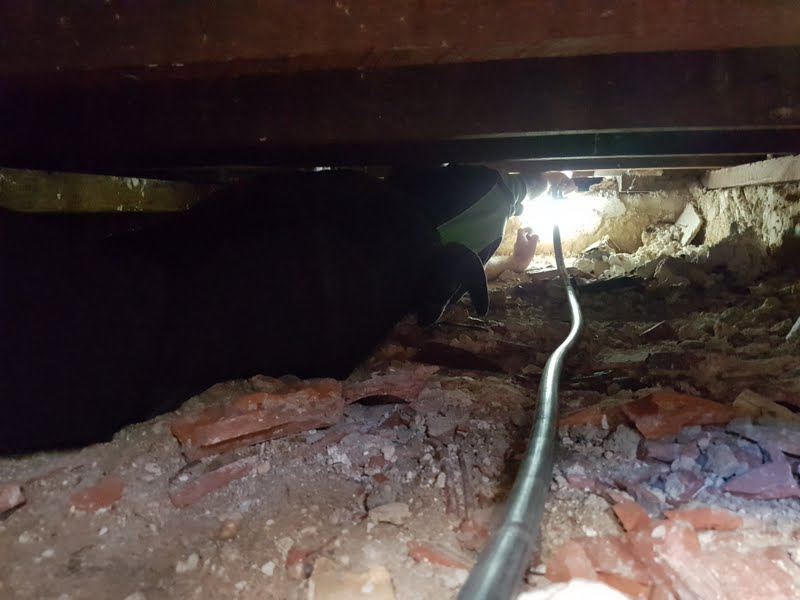
This page walks through each step so you know what to expect when you book a termite inspection.
Step 1: Booking and questions
When you call or book a free assessment, we'll ask your suburb, the type of home and what you've noticed, such as tubes, hollow timber or winged insects. Anything you can tell us helps the technician know where to look first.
Step 2: Talking through your concerns
On arrival, the technician talks to you about what you've seen and when, and any history of termites, leaks or renovations in the home.
Step 3: The outside check
The technician looks around the outside of the property, including walls, slab edges, stumps and piers, fences, decking, retaining walls and garden timber. CSIRO says to look for shelter tubes over stumps, ant caps and the edges of concrete slabs, because most termite attacks start from the soil.
Step 4: The inside check
Inside, the technician checks places such as skirting boards, door and window frames and wall surfaces. CSIRO describes common checks: tapping timber with a hard-tipped tool to listen for a hollow sound, and probing timber to detect hidden galleries. Bathrooms, laundries and other damp areas get extra attention.
Step 5: Roof void and subfloor
Where they can be reached safely, the technician checks the roof void and the area under the floor. Areas that can't be reached, such as a sealed roof void or blocked subfloor, can't be fully assessed, and your technician will tell you what was and wasn't checked.
Step 6: Instruments where needed
CSIRO says professionals may use other detection methods, including lures and bait stations, sound or movement detectors, thermal cameras and sniffer dogs. Ask your technician which, if any, are used on your property.
Step 7: What you're told
You're told what was found, where, and what it means. If there's no activity, the technician explains how to protect the home and when to inspect again. If there is activity, you're given options and a quote before any work starts.
How long does it take?
It depends on the size and layout of the property and how easy it is to reach the roof void and subfloor. Your technician can give you an idea when you book.
How to prepare
- Clear access to the roof hatch and subfloor
- Move stored items away from walls where you can
- Tell us about leaks, renovations or past termite treatment
- Have any termite system notice from the meter box handy
Next steps
Ready to book a termite inspection? Book a free assessment or call (08) 6103 5084. If termites are found, see how we treat termites.
Questions about the termite inspection process
Do I need to be home?
It helps if someone can let the technician in and talk through concerns. If that isn't possible, tell us when you book.
What if you can't reach part of the house?
We'll tell you what couldn't be checked. Termites can be active in places no one has looked.
Does an inspection find all termites?
No inspection can promise to find every termite, because they hide in walls and soil. That's why the WA Government and CSIRO recommend regular inspections, at least once a year.
Sources
- CSIRO, Managing Termites: Understanding termites and reducing their risk to buildings (2021).
- Government of Western Australia, Termites and your home (fact sheet).
Think you have termites?
Book a free assessment, or call (08) 6103 5084 and tell us what you have seen.
Book a free assessment Call now