Termite baiting
Termite baiting uses bait stations or lures that termites feed on and carry back to the colony. Because the active ingredient is slow-acting, it's passed through the colony before it takes effect. CSIRO says termites distribute it to the nest and queen by sharing food and grooming.
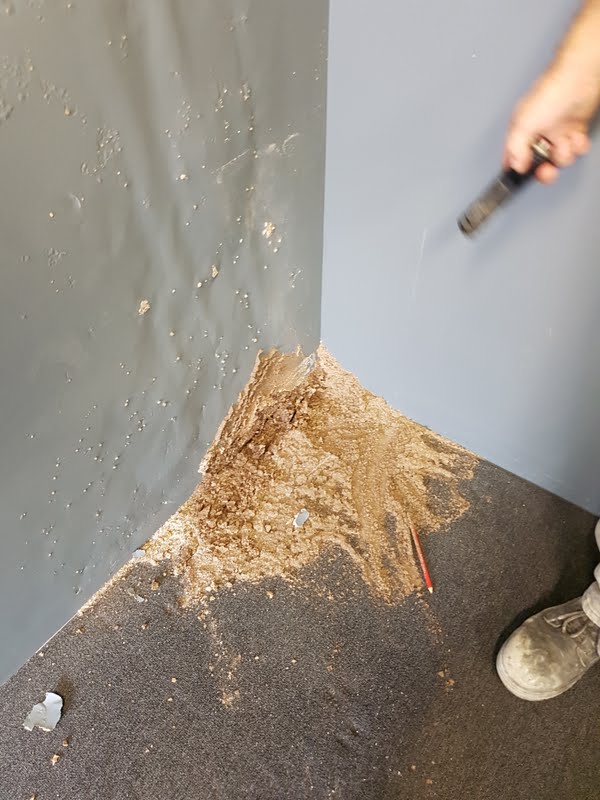
This page explains how baiting works, how long it takes and when it's the right choice. For a comparison, read termite barrier or baiting: which is better?.
How termite baiting works
CSIRO describes baiting like this: bait stations or lures containing non-durable wood are placed against infested wood or active shelter tubes, or partly buried in the soil around the building. Small quantities of slow-acting, non-repellent insecticide are put into the baits when they're first installed or after termites have been attracted. After feeding, termites spread the insecticide to the nest and queen.
The WA Government says strategically placed bait stations lure termites to a food source such as dry wood or paper, and that once termites are attracted, a termicide is added that sticks to the termite. It's spread quickly through the colony by foraging termites, because of communal grooming, and ultimately reaches the queen.
How many bait stations?
The WA Government says about 30 bait stations are needed for a typical house, and they need to be inspected regularly. The exact number depends on the property.
How often are bait stations checked?
CSIRO says baits should be checked every few weeks for termite activity. Your technician will set a schedule for your system. Ongoing visits are part of baiting, which is one reason it's different from a soil barrier.
How long does baiting take?
Baiting is slow by design. The bait has to be taken back to the colony and spread through it, so results come over time rather than immediately. The time depends on the species, the size of the colony and how active the termites are. Your technician can give you an idea after the inspection. Be wary of promises of instant results from baiting.
When baiting suits your home
Baiting may suit you if:
- Drilling through slabs and paving is difficult
- There's space around the building for stations
- You want to target the colony at its source
- You can keep up with the monitoring visits
The WA Government says the external bait-and-treat approach isn't always possible in built-up areas, because adequate space is needed around the building.
Limits of baiting
- It needs regular checking.
- It can take longer than other methods.
- CSIRO says most methods provide no lasting protection against reinfestation by other colonies, so annual inspections are still needed.
- It may not suit sites with little space.
Baiting and other methods
Baiting can be used alone or with other methods, such as dusting or soil treatment, depending on the building and the activity. See termite dusting and foaming, chemical soil treatment and termite monitoring.
What does termite baiting cost?
A Perth price guide dated November 2026 shows a typical range of $2,100 to $4,725 for a whole-house baiting system, with a typical price of about $2,725, covering stations and monitoring. The number of stations and the length of monitoring affect the price. These are third-party guide figures, not our quotes. We quote after an inspection. See termite treatment cost.
What to ask before baiting
- How many stations will be used, and where will they go?
- How often will they be checked, and what does each visit cost?
- What happens if termites are found in a station?
- How long is the monitoring plan, and what happens at the end of it?
- Does baiting suit my property, given the space around the building?
Termite baiting in Perth
We service 24 council areas across Perth and surrounding WA. See termite treatment in Perth or find your area.
Baiting also depends on the property staying as it was when the stations were placed. Tell your technician about renovations, landscaping or new garden beds, because they can affect where stations sit and how termites move around the building.
Ask how the stations will be recorded, such as a map or a list of locations, so you and any future owner know where they are.
Ask about termite baiting
Book a free assessment or call (08) 6103 5084 to find out whether termite baiting suits your home.
Questions about termite baiting
Is baiting safer than a soil barrier?
Ask your pest manager about the products and how they're used. The WA Government notes that environmentally friendly methods are available through some pest controllers but may not always be as effective as physical barriers.
Do bait stations attract termites to my home?
Stations are placed to find and treat termites already foraging near the building. Ask your technician how they're positioned on your property.
What happens if termites don't feed on the bait?
The technician checks the stations and can change the approach. Tell us if you see new activity.
Can I buy bait myself?
Home products are sold, but CSIRO says care is needed to avoid disturbing termites and driving them away temporarily. See how to get rid of termites.
Sources
- CSIRO, Managing Termites: Understanding termites and reducing their risk to buildings (2021).
- Government of Western Australia, Termites and your home (fact sheet).
- What's The Damage?, Pest control prices Perth 2026 (pricing verified 1 November 2026).
Think you have termites?
Book a free assessment, or call (08) 6103 5084 and tell us what you have seen.
Book a free assessment Call now