White ants: are they termites?
White ants are termites. The name is common in Australia, but these insects aren't true ants. CSIRO says they're more closely related to cockroaches, even though they look a little like ants and are often pale in colour.
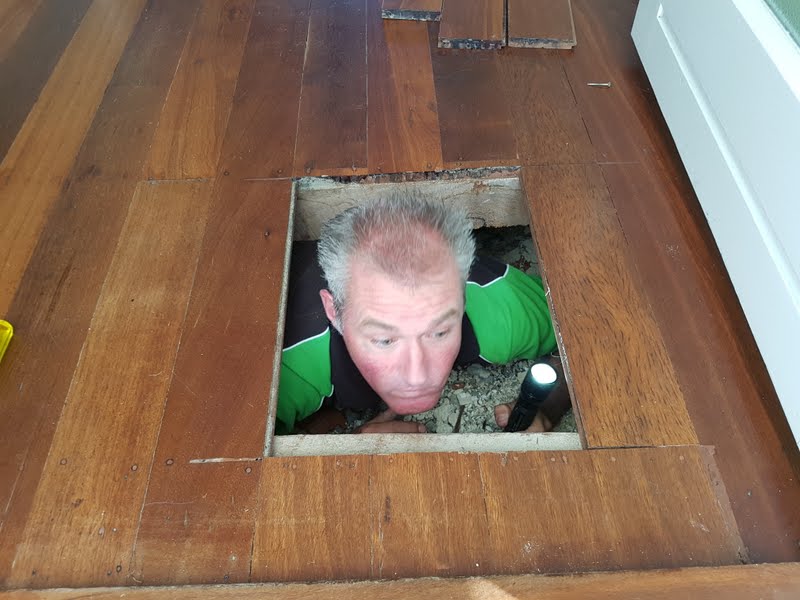
If you've found white ants at home, or you've been told you need a "white ant inspection", this page explains what the term means and what to do next.
Why are termites called white ants?
Termites have been called white ants in Australia for a long time. The name comes from their appearance. Workers are small, pale and live in large groups, a bit like ants. The WA Government's termite fact sheet uses both names: termites, often referred to as "white ants".
The name stuck in everyday speech and in the trade. You'll still see it on contracts, in real estate listings and on pest control websites. A white ant treatment is a termite treatment. A white ant inspection is a termite inspection. A white ant certificate is a termite inspection result.
White ants and termites compared
| White ants (termites) | True ants | |
|---|---|---|
| Scientific group | Related to cockroaches | Related to bees and wasps |
| Antennae | Straight | Bent, like an elbow |
| Waist | Thick, no obvious pinch | Narrow and pinched |
| Diet | Wood and other plant material | Varies, often sugars and other insects |
| Flying adults | Two pairs of wings, similar in length | Front pair larger than the back pair |
Termites and ants live in organised colonies with a queen, soldiers and workers. That's a case of similar lifestyles, not a close family relationship. If you want to see them side by side, read what termites look like.
What do white ants do to a home?
Termites feed on cellulose, the main material in timber and other plant matter. In nature they recycle dead trees and plant litter. Unfortunately, the timber in houses, pergolas, fences and furniture is just as appealing.
The WA Government says there are more than 300 termite species in Australia, and about 20 can eat through solid wood in buildings and cause serious damage. CSIRO puts the number of species at more than 350, with around 20 significant structural pests. Subterranean termites are the type most commonly found in Australia and are responsible for most structural damage.
Termites usually work out of sight. They hollow out timber from the inside, often leaving a thin outer skin, so a home can have damage before anything looks wrong. See termite damage for what it looks like.
Where white ants are found in a house
CSIRO lists the places to check for damaged wood: skirting boards, door and window frames, posts set directly into the soil, wardrobes and items in storerooms. White ants also turn up in garden timber such as stumps, fences, retaining walls and sleepers. Finding them in the garden doesn't necessarily mean they'll enter the house, and not every species is a structural pest, but it's a reason to get the property checked.
Signs you may have white ants
- Thin earthen tubes on walls, stumps, piers or the edge of a slab
- Timber that sounds dull or hollow when tapped
- Damaged skirting boards, door frames or window frames
- Discoloured or warped wall surfaces and panelling
- Winged insects or piles of discarded wings, especially in the warmer months
Read the full guide to the signs of termites, or see termite mud tubes if you've found something that looks like a tunnel.
White ant protection for new and existing homes
The National Construction Code requires termite prevention to be built into new homes and certain building work, and the WA Government says the barrier details are submitted as part of the building permit application. Barriers are either physical, such as metal shields, stainless steel mesh or graded granite chips, or chemical, using a soil treatment around and under the building. They're often used together.
Barriers can wear out or be disturbed. CSIRO says renovations, garden changes, slab movement and the depletion of insecticide can all affect them, which is why even a protected home needs regular inspections.
What is a white ant inspection?
A white ant inspection is a termite inspection. A pest manager looks over the accessible parts of the building and the surrounding area for signs of termite activity, damage, and conditions that could attract termites.
The WA Government recommends having a licensed pest controller inspect your home at least once a year, and it advises owners to check for obvious signs themselves every six months. When you're buying a home, Consumer Protection WA recommends including a White Ant Certificate clause in the Offer and Acceptance form, so the home is confirmed free of termites and structural damage from earlier infestations.
Our termite inspections cover homes across Perth. If you're buying, read about a pre-purchase termite inspection.
What is white ant treatment?
White ant treatment means treating termites. The method depends on what the inspection finds. The WA Government describes treatment for an existing home as an integrated approach:
- Killing the termites in the timber
- Finding and destroying the nest
- Re-establishing chemical or physical barriers
- Regular inspections to pick up new or continuing activity
Common methods include soil treatments, baiting, dusting and foaming. They're explained in more detail on these pages: chemical soil treatment, termite baiting and termite dusting and foaming. Not sure which to choose? Read termite barrier or baiting: which is better?.
Treating only the visible termites usually isn't enough. The WA fact sheet says that treating directly into active tunnels can reduce numbers but rarely eliminates the colony unless it's combined with another method.
What to do if you find white ants
- Don't use household sprays or remove infested timber. Both can drive termites away and make them harder to treat.
- Take a photo from a safe distance and note where it is.
- Call a licensed pest manager. Termite treatment is regulated in WA.
Book a free assessment or call (08) 6103 5084. We service 24 council areas across Perth and surrounding WA: see where we work.
Questions about white ants
Are white ants and termites the same thing?
Yes. White ant is the everyday Australian name for termites.
Are white ants dangerous to people?
Termites are mainly a threat to buildings and timber. The risk is the damage and the cost of repairs, which is why early detection matters.
How do I get rid of white ants?
Treatment depends on the species, where the termites are and how the building is constructed. A licensed pest manager can inspect, find the activity and recommend a method. Read how to get rid of termites for what works and where DIY falls short.
How much does white ant treatment cost?
The price depends on the size of the property, how accessible it is, the method used and what the inspection finds. We quote after assessing your property. See what affects the cost of termite treatment.
Sources
- CSIRO, Managing Termites: Understanding termites and reducing their risk to buildings (2021).
- Government of Western Australia, Termites and your home (fact sheet).
Think you have termites?
Book a free assessment, or call (08) 6103 5084 and tell us what you have seen.
Book a free assessment Call now