Termite control
Termite control is the whole management process, not a single treatment. It covers finding termites, dealing with the active colony, protecting the building and checking it regularly. CSIRO says successful control usually requires a licensed pest manager, and that regular inspections, at least once a year, are needed because most treatments give no lasting protection against new colonies.
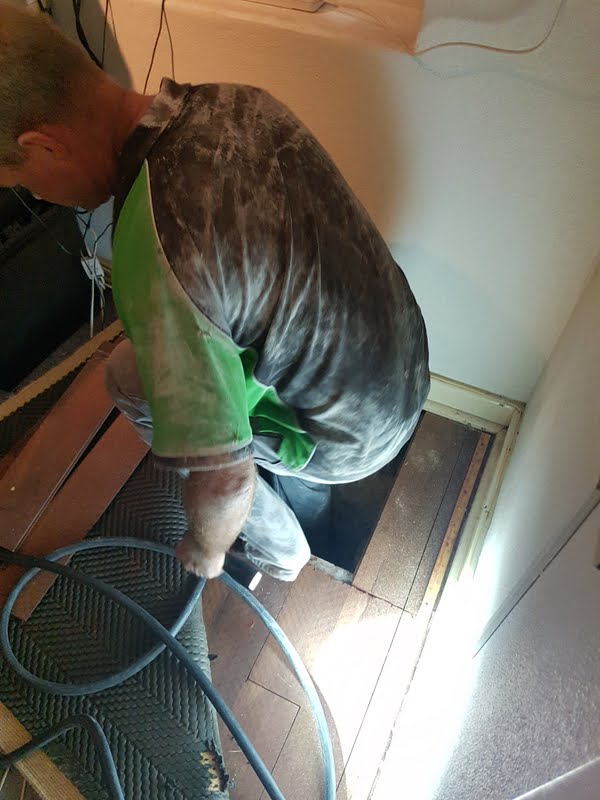
Termite Squad provides termite control across Perth and surrounding WA. This page explains how the parts fit together.
What termite control includes
The WA Government describes an integrated approach for existing buildings:
- Kill the termites in the timber.
- Locate and destroy the nest.
- Re-establish chemical or physical barriers.
- Inspect regularly to detect ongoing or new termite activity.
Each part does a different job. Treating only the visible termites, or only putting in a barrier, leaves gaps.
Termite control versus termite treatment
The two terms overlap, but they aren't the same thing:
- Termite treatment is the work on an active colony. See termite treatment.
- Termite control is treatment plus the protection and checks that follow.
Control is the longer game. It's about keeping termites from causing damage over the years you own the home.
The stages of termite control
Inspection
Everything starts with finding out what's there. See termite inspections.
Treatment
The method depends on what the inspection finds. Options include chemical soil treatment, termite baiting, dusting and foaming and nest treatment.
Protection
After treatment, protection reduces the chance of termites returning. That can include barriers, monitoring or a reticulation system. See termite prevention and termite monitoring.
Regular checks
The WA Government recommends at least one licensed inspection a year, and CSIRO recommends the same. If your home has a termite management system, the notice in the meter box shows the type, the installation date and the recommended inspection frequency.
Australian Standards for termite management
CSIRO lists two Australian Standards for termite management: AS 3660.1 for new building work and AS 3660.2 for termite management in and around existing buildings and structures. They set out how termite management systems and inspections are done. Ask any provider which standard their work follows and how that applies to your home.
What a termite management plan should cover
A good plan, in writing, should set out:
- What was found and where
- The treatment methods and why they were chosen
- What protection will be in place afterwards
- When the next inspection is due, and how often after that
- What follow-up or warranty applies
- What you should do between visits, such as fixing leaks and keeping garden beds off walls
A termite control plan works best when you're part of it. Tell your technician about leaks, renovations and anything you've noticed between visits, and keep the paperwork, including the system notice, in one place.
Termite control around your home
You can help control termites between visits. The WA Government's checklist includes fixing leaks and drainage quickly, keeping garden beds off walls, keeping subfloors ventilated, storing nothing against external walls, keeping firewood away from the house and removing dead trees and stumps. See the termite prevention guide.
Termite control in Perth
We service 24 council areas across Perth and surrounding WA. See termite treatment in Perth or find your area.
What does termite control cost?
Cost depends on the property, the methods used and any ongoing checks. We quote after an inspection and put it in writing before work starts. A Perth price guide dated November 2026 gives typical ranges for individual treatments, which you can see on our termite treatment cost page. Those are third-party figures, not our quotes.
Who can carry out termite control in WA?
CSIRO says successful control usually requires a licensed pest manager. In Western Australia, the Department of Health regulates pest management technicians and businesses. Ask any provider for their licence details and how long their termite follow-up lasts.
Common mistakes
Treating only what you can see.
The WA Government says treating tunnels directly rarely eliminates the colony on its own.
Skipping the nest.
Locating and destroying the nest is part of the integrated approach.
Assuming a barrier lasts forever.
CSIRO says barriers can be disturbed or wear out.
Missing the annual inspection.
Regular inspections are how new activity gets caught.
Get termite control for your home
Book a free assessment or call (08) 6103 5084. We'll inspect, explain the options and put the plan in writing.
Questions about termite control
What does termite pest control involve?
It involves an inspection, treatment of any active termites, protection of the building and regular follow-up inspections. See termite treatment.
How often do I need termite control visits?
At least one licensed inspection a year, according to the WA Government. Your plan may include more frequent visits, such as checking bait stations.
Can termites be controlled permanently?
You can deal with an active colony, but other colonies can arrive later. That's why control includes protection and regular inspections.
Is termite control the same as general pest control?
Termite work involves different methods from treating insects such as cockroaches or ants. Ask your provider about their termite experience and licence.
Sources
- CSIRO, Managing Termites: Understanding termites and reducing their risk to buildings (2021).
- Government of Western Australia, Termites and your home (fact sheet).
- What's The Damage?, Pest control prices Perth 2026 (pricing verified 1 November 2026).
Think you have termites?
Book a free assessment, or call (08) 6103 5084 and tell us what you have seen.
Book a free assessment Call now