Termite prevention guide
Termite prevention comes down to four things: keep moisture away from the building, keep timber off the soil, keep inspection access clear and have the property inspected regularly. No single step makes a home termite-proof, but together they lower the risk and make termites easier to spot.
This guide pulls together advice from the WA Government and CSIRO. For protection that's installed by a professional, see our termite prevention service.
1. Fix moisture problems
The WA Government says plumbing leaks, drainage problems and roof leaks should be dealt with quickly, because damp conditions attract termites. CSIRO adds that you can:
- Grade the ground and paving so rainwater flows away from the house
- Check for water leaks from faulty plumbing or loose tiling
- Avoid sprinklers that regularly wet house walls and stumps
- Direct air conditioner drainage away from the building
- On timber decking, put pot plants between joists, not over them
2. Keep gardens off the walls
Garden beds and plants shouldn't touch external walls, because they raise humidity and can hide termite access. The WA Government suggests hard paving instead. CSIRO says to keep soil and mulch below the level of the concrete slab and away from weep holes in brick veneer, and describes a concrete strip at least 50 mm lower than the slab and 300 mm wide to separate the garden from the house and make inspection easier.
Don't let garden soil block drainage or ventilation openings in walls.
3. Keep timber off the soil
Termites reach timber through the ground, so cut the connection:
- Use metal stirrups for pergola, gate and verandah posts, as the WA Government advises
- Cut timber posts short of the soil, as CSIRO suggests
- Avoid untreated timber sleepers in retaining walls and garden beds
- Remove dead trees and stumps as soon as possible
- Keep firewood and stacked timber well away from the house, raised and covered
- Don't store things against external walls, and don't stack wood under the house
4. Keep the subfloor ventilated and accessible
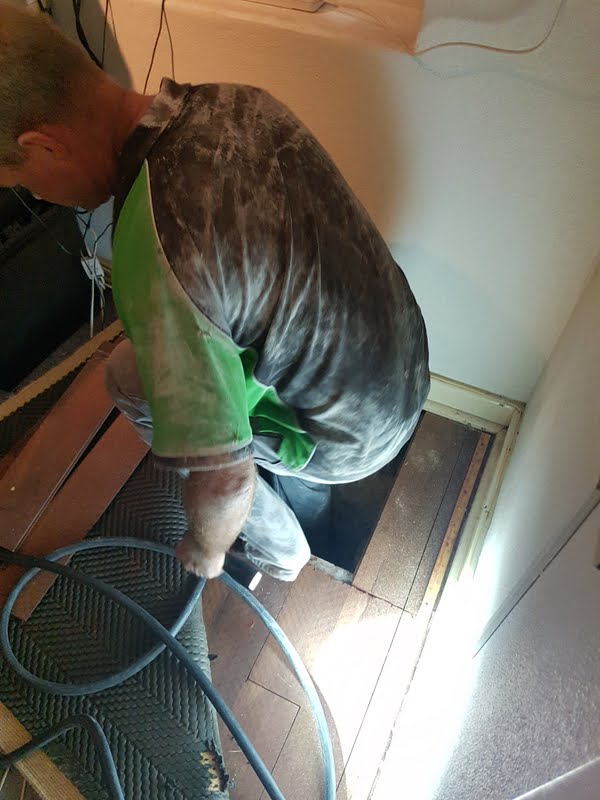
The WA Government says spaces under the floor must be well ventilated, and the vents must not be blocked. CSIRO says elevated floors need enough crawl space and ventilation to reduce humidity and allow visual inspection. If you can safely get to your subfloor, check it every six months for tubes and damaged timber.
5. Don't undo your termite barrier
If your home has a termite barrier or management system, renovations and extensions shouldn't remove it or block access for inspection. The WA Government says to look for the durable notice, often fixed in the meter box, which shows the type of system, the date it was installed and the recommended inspection frequency.
CSIRO says barriers can be affected by renovations, garden changes, slab movement and the depletion of insecticide, so inspections should be regular.
6. Choose termite-resistant materials where you can
CSIRO says preservative-treated timber, naturally resistant timber, metals, masonry and concrete limit the food available to termites. The WA Government suggests considering termite-resistant timber for work on your home. These help, but they don't replace inspections.
7. Check and inspect regularly
The WA Government says to check your property every six months for obvious signs and to have a licensed pest control operator inspect at least once a year. Learn the signs of termites so you know what to look for between visits.
8. Consider professional protection
Professional protection can include a chemical soil treatment, bait stations, physical barriers or a reticulation system under a slab. See termite prevention, termite monitoring and chemical soil treatment.
Termite prevention checklist
- [ ] Leaks and drainage fixed
- [ ] Garden beds and mulch away from walls
- [ ] Vents and drains clear
- [ ] Nothing stored against walls
- [ ] Firewood raised, covered and away from the house
- [ ] Dead trees and stumps removed
- [ ] Posts on metal stirrups
- [ ] Subfloor vents unblocked
- [ ] Inspection booked in the last 12 months
Next steps
Want help with termite prevention at your home? Book a free assessment or call (08) 6103 5084. We service 24 council areas across Perth and surrounding WA: find your area.
Questions about termite prevention
Can you prevent termites completely?
No. Termites are found throughout Australia, and these steps reduce the risk but don't remove it. That's why regular inspections matter.
How often should I inspect for termites?
Check your property yourself every six months and arrange a licensed inspection at least once a year, as recommended by the WA Government.
Does mulch attract termites?
Garden beds and mulch against walls can raise humidity and hide termite access. Keep mulch below the slab and away from weep holes.
Sources
- CSIRO, Managing Termites: Understanding termites and reducing their risk to buildings (2021).
- Government of Western Australia, Termites and your home (fact sheet).
Think you have termites?
Book a free assessment, or call (08) 6103 5084 and tell us what you have seen.
Book a free assessment Call now