Termite damage to homes
Termite damage is timber that has been eaten from the inside. It often looks fine on the surface, but sounds hollow when tapped, feels thin or crumbles under light pressure. Because termites work out of sight, damage can build up for a while before it becomes visible.
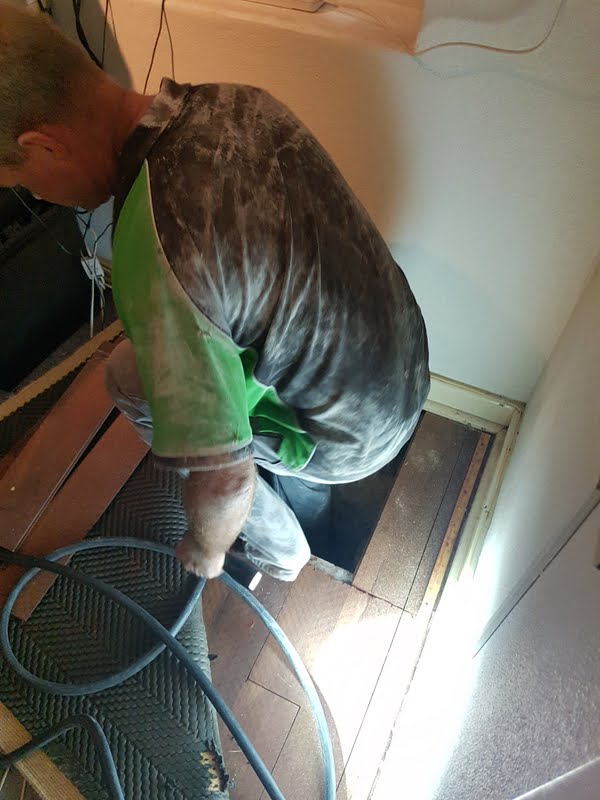
This guide explains what termite damage looks like, what termites damage in a home and what to do next. If you've found damage and aren't sure what caused it, book a free assessment.
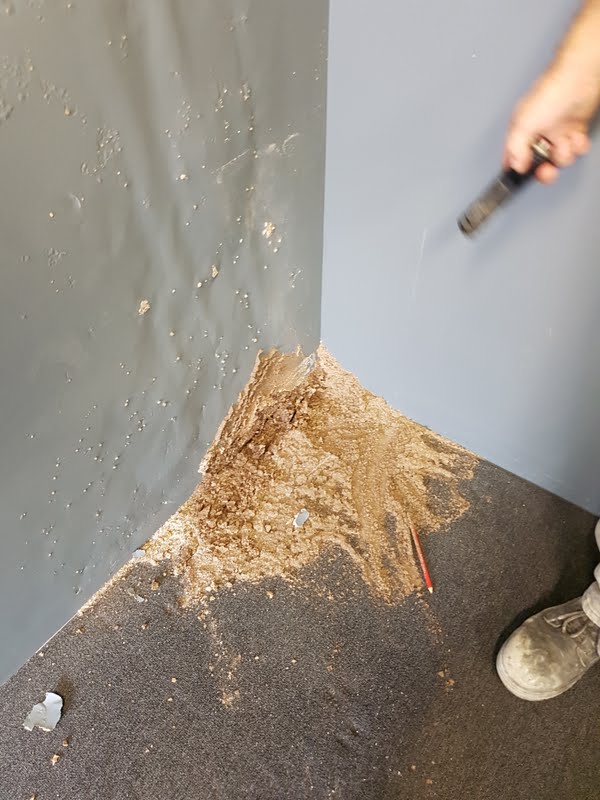
What termite damage looks like
Termites eat timber from the inside out. CSIRO says they often keep a thin outer layer of wood, which may be wafer-thin, to protect themselves from drying out. That's why the surface can look normal until you tap or probe it.
Signs of termite damage include:
Hollow sound
CSIRO suggests tapping timber with a hard-tipped tool and listening for a dull, hollow sound that suggests cavities.
Thin or crumbling wood
a screwdriver or knife may push through the surface into hidden galleries.
Tunnels inside the timber
termites leave galleries, sometimes packed with soil.
Mud in cracks and joints
termites seal small gaps with a crumbly material. See termite mud tubes.
Discoloured or warped surfaces
the WA Government says a slight discolouration of a wall surface, followed by warping in timber panelling, can be the first indicator in a home.
Our guide to the signs of termites covers the rest.
What termites damage in a home
Termites eat cellulose, the main material in timber and other plant matter. CSIRO says that even where the main structure is protected, termites can still get in and damage cellulose-based materials such as timber flooring and linings, architraves, books, furniture and even the paper backing on plasterboard.
Common places for damage include:
- Skirting boards
- Door and window frames
- Timber posts set directly into the ground
- Wardrobes and items in storerooms
- Floor timbers under the house
- Garden timber such as fences, sleepers and decking
Check the timber near damp areas. CSIRO says bathrooms, laundries and places with poor drainage are particularly at risk.
Structural and non-structural damage
Damage to structural timber is the most serious, because it affects the strength of the building. The WA Government explains that the National Construction Code aims to reduce the risk of termite damage to the primary building elements, which are mostly structural, and not to non-structural items such as cabinet work and furniture.
That means damage to cabinets, furniture and similar items can happen even in a home that meets the code. The WA Government says there are more than 300 termite species in Australia, and about 20 can eat through the solid wood in buildings, causing serious damage and considerable expense.
How quickly does termite damage happen?
There's no single timeline. It depends on the species, the size of the colony, how easy it is to reach timber and how long the termites have been active. Some damage is slow and spread across many places. In other cases, a colony may have been feeding for a long time before anyone notices.
The practical point is that waiting makes it worse. A regular inspection finds activity earlier, when there's usually less to repair.
Is it termite damage or something else?
Rot, leaks and moisture can also make timber soft, stained or crumbly. Some damage from other pests can look similar too. You can't always tell by eye.
A technician checks for signs that termites are or were present, such as tubes, galleries and live termites. CSIRO says probing and tapping timber are common checks, and professionals may also use lures and bait stations, sound or movement detectors, thermal cameras and sniffer dogs. A termite damage assessment looks at whether the damage is active, old or has another cause.
What to do if you find termite damage
- Don't break open the timber or spray it. The WA Government says not to use household sprays or remove infested wood, because it can drive termites away.
- Photograph the damage from a safe distance, with a coin or ruler for scale.
- Note the location and date.
- Book an inspection with a licensed pest manager, so you know whether the termites are still active.
- Treat first, repair second. Repairs done while termites are active put the new timber at risk.
Read what to do if you find termites for the full steps, or call us on (08) 6103 5084.
Repairing termite damage
Repair depends on the amount and location of the damage. Minor damage to non-structural timber may be a straightforward fix. Damage to structural timber should be assessed by a suitably qualified building professional, such as a builder or building surveyor.
Termite treatment and building repair are separate jobs. We deal with the termites, and your builder deals with the timber. Check your home insurance policy before you start, because cover for termite damage varies and is often limited.
Termite damage when buying a home
The WA Government says Consumer Protection recommends including a White Ant Certificate clause in the Offer and Acceptance form when buying an existing home. The aim is to make sure the home is free of termites and has no structural damage from any previous infestation.
A pre-purchase termite inspection checks for current activity and signs of earlier damage.
How to reduce the risk of termite damage
The WA Government and CSIRO both recommend:
- Regular inspections, at least once a year, by a licensed pest manager
- Fixing leaks and drainage problems quickly
- Keeping garden beds, mulch and stored items away from walls
- Keeping subfloor spaces ventilated
- Removing dead trees and stumps
- Avoiding timber that touches the soil, for example by using metal stirrups for posts
See termite prevention and the termite prevention guide.
Next steps
If you've found termite damage, or you want to know whether your home has any, book a free assessment or call (08) 6103 5084. We service 24 council areas across Perth and surrounding WA: find your area.
Questions about termite damage
Can termite damage be repaired?
Often, yes, but the termites should be treated first. Structural repairs should be assessed by a qualified building professional.
Does insurance cover termite damage?
It varies, and many policies limit or exclude it. Check your policy documents and ask your insurer.
How can I tell if termite damage is old or active?
You can't reliably tell by looking. A technician looks for live termites, fresh tubes and other signs of current activity. See termite damage assessment.
Can you see termite damage from outside?
Not always. Damage often hides inside timber and wall cavities. Hollow-sounding timber, tubes and discolouration are clues, but an inspection checks the places you can't see.
Sources
- CSIRO, Managing Termites: Understanding termites and reducing their risk to buildings (2021).
- Government of Western Australia, Termites and your home (fact sheet).
Think you have termites?
Book a free assessment, or call (08) 6103 5084 and tell us what you have seen.
Book a free assessment Call now