Termite mud tubes
Termite mud tubes are thin tunnels of soil and other material that subterranean termites build to travel from the nest to their food. They're also called shelter tubes. If you find them on a wall, stump, pier or the edge of a slab, treat them as a sign of termites until a technician says otherwise.
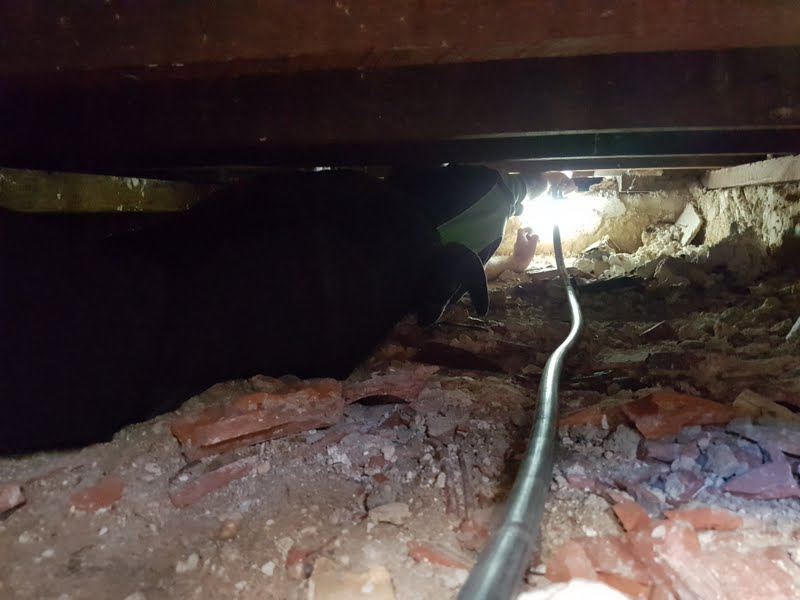
This page explains what termite mud tubes are, why termites build them and what to do if you find one. Not sure what you've found? Book a free assessment.
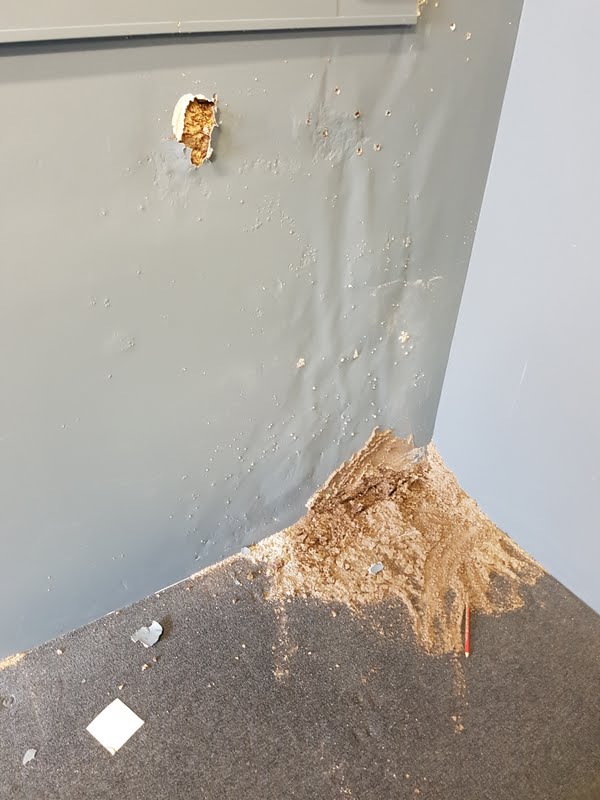
What are termite mud tubes?
Mud tubes are narrow, earthen tunnels built by subterranean termites. CSIRO says they extend from the nest and galleries over nearby materials that termites can't eat, such as concrete, brickwork and durable timber.
The WA Government says the first sign of termites is often their wafer-thin mud tunnel on timber. These tubes protect termites from the environment and keep humidity high.
Why do termites build mud tubes?
Termite bodies are soft and lose moisture quickly. CSIRO explains that sunlight can dry out their soft outer skin, so subterranean termites build shelter tubes to avoid it and keep the humidity they need outside the nest.
That lets them reach timber in your home while staying hidden. The tubes also help termites explore new areas. CSIRO notes that termites usually forage within about 30 metres of the nest, though they occasionally go 100 metres or more.
Where to find termite mud tubes
Look at places where the soil meets the building. CSIRO lists shelter tubes that may appear over:
- Stumps and piers
- Ant caps
- The edges of concrete slabs
- Brick and concrete walls
They can also run up walls, along beams, up timber posts and across the underside of floors. CSIRO also says physical barriers such as ant caps can force termites to build shelter tubes, which can reveal their presence.
You can also look for mud packed into joints and crevices in timber. CSIRO notes that termites seal small gaps in timber with the same crumbly material they use for tubes.
What termite mud tubes look like
Termite mud tubes are often about as wide as a pencil, or narrower, and the colour of the local soil. They can look like a line of dried mud running along a surface. Some are covered and hard to spot, and some are inside wall cavities or roof voids where you can't see them.
The material is crumbly. It's made of soil and other matter bound together, which is why CSIRO describes it as friable.
You can't tell by looking whether a tube is still in use. Treat every tube as active until a technician has checked it.
Should you break open a mud tube?
No. The WA Government says that if you find termites in your home, you shouldn't disturb them by using household sprays or removing infested wood. Breaking open a tube can make termites change their route and hide.
Instead:
- Photograph the tube and the area around it from a safe distance.
- Leave it where it is. A technician needs to see where termites are travelling.
- Note where it is. Write down the location and the date.
- Book an inspection. A licensed pest manager can check whether termites are active and where the nest may be.
Call us on (08) 6103 5084 or book a free assessment. If you've found termites, read what to do if you find termites.
Mud tubes and other signs of termites
A mud tube is one sign among several. Look for other signs of activity, such as timber that sounds hollow, damaged skirting boards and frames, discoloured or warped wall surfaces and winged termites. See signs of termites and what termite damage looks like.
How to make mud tubes easier to spot
CSIRO's guidance for builders includes practices that also help you see termite activity:
- Keep soil and mulch levels below the concrete slab and away from weep holes in brick veneers.
- Avoid putting gardens directly against external walls.
- A concrete strip at least 50 mm lower than the slab and 300 mm wide helps separate the garden from the house and improves visibility for inspection.
- Keep external cladding at least 100 mm above the soil.
- Don't stack wood against or under the house.
The WA Government also advises keeping garden beds and stored items away from walls and leaving subfloor vents unblocked. Read the termite prevention guide for more.
Next steps
If you've found termite mud tubes, don't wait. Book a free termite assessment or call (08) 6103 5084. We service 24 council areas across Perth and surrounding WA: find your area.
Questions about termite mud tubes
Are termite mud tubes always a sign of an infestation?
Treat them as one. A tube shows termites have been there. Whether the termites are still active, and whether they're in your home or only your garden, is for a technician to decide.
What do mud tubes look like?
They're thin tunnels of soil, usually the colour of the surrounding ground, running over walls, stumps, slabs or timber.
How far do termites travel through mud tubes?
CSIRO says termites usually forage within about 30 metres of the nest, though they may sometimes travel 100 metres or more.
Can I wipe off termite mud tubes?
We advise against it. Disturbing them can send the termites somewhere else. Photograph the tube, leave it and call a pest manager.
Sources
- CSIRO, Managing Termites: Understanding termites and reducing their risk to buildings (2021).
- Government of Western Australia, Termites and your home (fact sheet).
Think you have termites?
Book a free assessment, or call (08) 6103 5084 and tell us what you have seen.
Book a free assessment Call now