Flying termites and swarms
Flying termites are winged reproductive termites, called alates, that leave their nest in a swarm to start new colonies. They usually appear in humid weather in the warmer months, often at dusk. One swarm outdoors doesn't prove termites are in your house, but a swarm that comes from inside it is a warning sign.
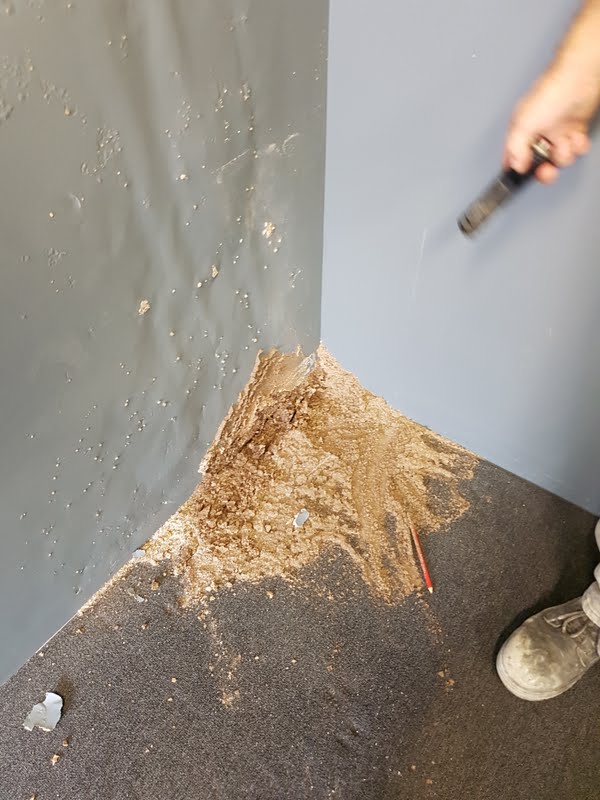
This guide explains what flying termites are, how to tell them from flying ants and what to do if you see them. If you're unsure what you've found, book a free assessment and we'll check.
What are flying termites?
Every termite colony has a queen and king. They produce the other members of the colony, including reproductive males and females called alates. Alates are the only termites with wings.
When conditions are right, alates leave the nest together and fly off to find a mate and start a new colony. That mass departure is a swarm. The rest of the colony, the workers and soldiers, never fly. You can read about all of them in our guide to termites.
When do flying termites appear?
CSIRO says swarms of alates disperse during humid periods in the warmer months, often at dusk. In practice, that means you're most likely to notice them in spring and summer, on warm, humid evenings.
Swarm timing varies from year to year and from place to place, so there's no date you can mark on the calendar. If you've seen winged termites before, check the same areas of your home each warm season.
Flying termites or flying ants?
Many people mistake one for the other. CSIRO says flying termites can be told apart from flying ants by their straight antennae, rather than the elbowed antennae of ants, and by their readiness to shed their wings when they land or are handled.
Check these features:
Antennae
straight in termites, bent like an elbow in ants.
Waist
termites have a thick body with no obvious pinch. Ants have a narrow, pinched waist.
Wings
a flying termite has two pairs of wings of similar length. A flying ant's front pair is larger than the back pair.
Colour
winged termites are usually dark brown or black. Ants may be brown, black or reddish.
Wings on the ground
piles of shed wings of the same size point to termites.
For photos and more detail, see what termites look like.
What a swarm inside your home means
A swarm outdoors may come from a nest in a neighbour's garden, a stump or a tree some distance away. A swarm that appears inside your home is more serious, because it can mean there's a colony in or very close to the building.
CSIRO suggests observing where alates come from, especially if they're coming from inside the house, so you can find their launch point. It adds that the nest may be outside, many metres away. A technician can follow the clues and check the likely entry points.
Signs that go with flying termites
Look for other signs of activity around the same time as a swarm:
- Piles of discarded wings on window sills, floors and near lights
- Thin earthen tubes on walls, stumps or the edge of a slab. See termite mud tubes.
- Timber that sounds hollow when tapped
- Damaged skirting boards, door frames or window frames
Our guide to the signs of termites covers each of these.
What to do if you see flying termites
- Don't spray the area or remove timber. The WA Government advises against using household sprays or removing infested wood if you find termites at home, because it can disturb them.
- Keep a sample. Collect a few winged insects in a sealed container, or pick one up on a piece of sticky tape and stick it to a card. Photograph the wings too.
- Keep the shed wings. Don't sweep them up before someone has seen them.
- Note where they came from. Write down the room, the time and whether they were coming from a window, a light fitting, a wall or the floor.
- Book an inspection. A licensed pest manager can tell whether they're termites and whether there's activity in your property.
Call us on (08) 6103 5084 or book a free assessment. If you've found termites and aren't sure what to do next, read what to do if you find termites.
Do flying termites mean I have an infestation?
Not always. Alates can disperse some distance from their nest, and they may be from a colony that isn't connected to your home. But a swarm is a reason to check, because the only way to be sure is to look at the property.
CSIRO notes that termites in the garden don't necessarily mean they'll enter the house, and not every species is a structural pest. Only around 20 of the more than 350 Australian termite species cause significant damage to buildings. An inspection tells you whether the ones near your home are among them.
How to reduce the risk after a swarm
The WA Government says damp conditions attract termites, so the conditions around your home matter. Its checklist is a good place to start:
- Fix plumbing, drainage and roof leaks quickly
- Keep garden beds and plants away from external walls
- Keep soil from blocking drainage and ventilation openings
- Don't store things against external walls
- Keep firewood and stacked timber away from the house, raised and covered
- Remove dead trees and stumps
Our termite prevention guide explains each of these.
Get your home checked
Flying termites are often the first thing people notice, and they can point to activity you can't see. Book a free termite assessment or call (08) 6103 5084, and tell us where and when you saw flying termites. We service 24 council areas across Perth and surrounding WA: see where we work.
Questions about flying termites
What time of year do flying termites appear?
CSIRO says swarms occur during humid periods in the warmer months, often at dusk. The exact timing changes from year to year.
Do flying termites bite or sting?
Alates aren't the part of the colony that eats timber, and they're not a recognised threat to people. The concern with termites is damage to buildings.
How long do flying termites live?
Alates shed their wings soon after landing, then look for a mate and a place to start a new colony. CSIRO says this dispersal is how new colonies get started, which is why swarms are worth taking seriously.
Are flying termites the same as flying ants?
No. They look similar but belong to different insect groups. Termites have straight antennae, a thick waist and wings of similar length, and they shed their wings readily.
Should I call a pest manager if I see flying termites?
If they came from inside your home, or you can see other signs, yes. If you saw a swarm outdoors, an inspection is still a good idea, particularly if your home hasn't been checked in the last year.
Sources
- CSIRO, Managing Termites: Understanding termites and reducing their risk to buildings (2021).
- Government of Western Australia, Termites and your home (fact sheet).
Think you have termites?
Book a free assessment, or call (08) 6103 5084 and tell us what you have seen.
Book a free assessment Call now